
The role of psychology in the allure of gambling
The Psychological Thrill of Risk
The allure of gambling is intricately tied to the psychological thrill that comes with taking risks. When individuals place a bet, they experience a rush of adrenaline that can be both exciting and addictive. This phenomenon is largely attributed to the brain’s reward system, which releases dopamine—a neurotransmitter associated with pleasure and reward. The anticipation of winning can create a euphoric state that many find irresistible, drawing them back for more. With a variety of options available, people often search for the best online casinos to enhance their gaming experience.

This thrill is not limited to winning; the very act of gambling itself can lead to heightened emotions. The uncertainty of outcomes keeps players engaged, as they often imagine the possibilities of their next win. This psychological engagement is a significant factor that keeps individuals returning to gambling establishments, often despite the odds being stacked against them.
The Illusion of Control
Many gamblers fall prey to the illusion of control, believing they can influence the outcome of games through skill or strategy. This misconception is especially prevalent in games like poker, where players feel their decisions impact the game significantly. Such beliefs can enhance the allure of gambling, leading individuals to invest more time and money in hopes of mastering their craft.
This psychological effect can lead to a phenomenon known as “gamblers’ fallacy,” where players believe that past outcomes affect future results. This false perception can create a cycle of play that traps individuals, encouraging them to continue betting in the hope that their luck will turn. Understanding this illusion is crucial for addressing gambling addiction and promoting responsible gambling practices.
The Social Aspect of Gambling
Gambling is often a social activity, providing an environment where people can connect and share experiences. Casinos and online platforms facilitate social interactions, allowing players to bond over shared victories and losses. This social dimension can enhance the allure of gambling, as individuals often seek validation and companionship in their pursuits.
The communal aspect of gambling can lead to a sense of belonging, which may be especially appealing for those feeling isolated or lonely. The social interactions, whether face-to-face or virtual, can create a supportive environment that further entices individuals to engage in gambling activities, solidifying their commitment to the experience.
The Role of Marketing and Advertising
Marketing strategies employed by casinos and online gambling platforms play a significant role in enhancing the allure of gambling. Advertisements often highlight the excitement and luxury associated with gambling, framing it as a glamorous lifestyle choice. This carefully curated image can attract individuals who aspire to the thrill and prestige associated with high-stakes gambling.
Promotions, bonuses, and loyalty programs are designed to create a sense of urgency and excitement, further drawing individuals into the gambling world. By leveraging psychological triggers, such as scarcity and exclusivity, marketers craft compelling narratives that resonate with potential gamblers, encouraging them to take the plunge.
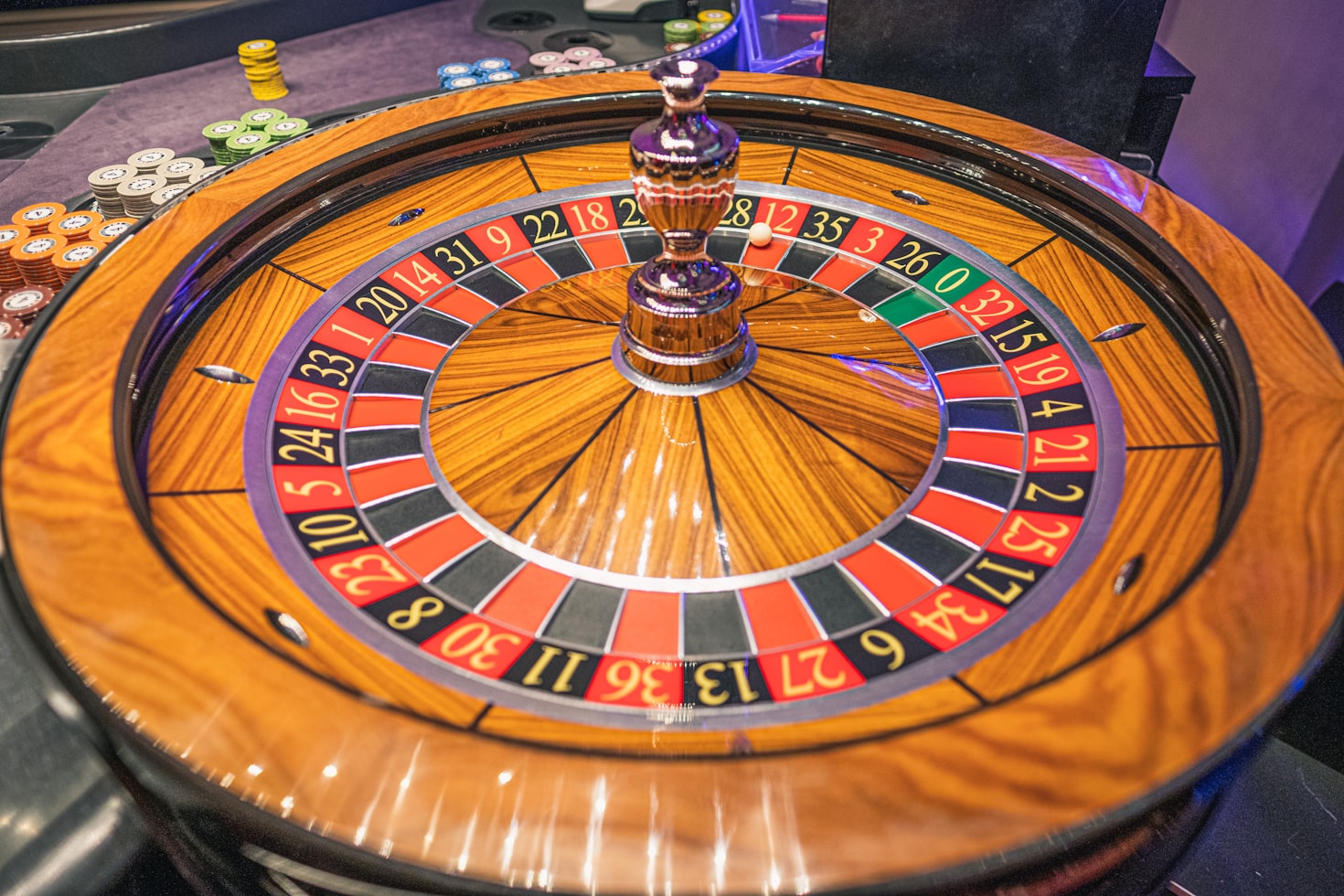
Understanding the Allure of Gambling
As we delve into the psychology behind gambling, it becomes clear that various factors contribute to its enduring appeal. From the thrill of risk to the social connections it fosters, gambling presents a complex interplay of psychological elements. Recognizing these influences can empower individuals to make informed decisions about their gambling habits.
For those seeking to understand the implications of these psychological factors, this website serves as a valuable resource. By providing insights and information on gambling behavior, it aims to raise awareness and promote responsible gambling practices. Understanding the underlying psychology can help individuals navigate their experiences in the gambling landscape more effectively.