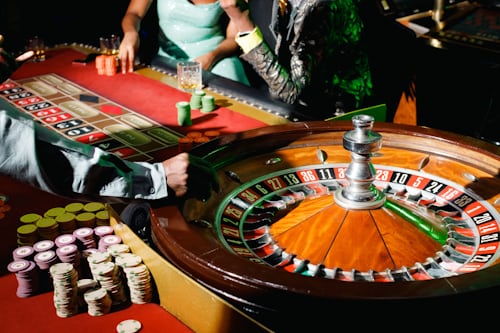
Understanding the psychology behind gambling
The Allure of Risk and Reward
Gambling is intrinsically tied to the human fascination with risk-taking and the allure of potential rewards. The thrill of placing a bet, whether on a roulette wheel or a sports event, often stems from the excitement of uncertainty. The brain’s reward system kicks into gear when we engage in gambling, releasing dopamine, a neurotransmitter associated with pleasure and motivation. This biochemical response can create a cycle where individuals seek out the exhilarating rush of gambling more frequently. Additionally, if you’re looking for an exciting online gambling experience, consider visiting grizzly quest casino, which offers a wide variety of games and opportunities.
The concept of variable reward schedules—where the timing and amount of rewards are unpredictable—further enhances this experience. This unpredictability makes gambling enticing, as players never know when they might hit a jackpot. The excitement generated from these occasional wins reinforces their behavior, leading to repeated gambling, even when losses occur. Understanding this psychological mechanism helps to explain why many people become captivated by gambling despite its inherent risks.
The Role of Cognitive Biases
Cognitive biases play a significant role in gambling behavior, often leading players to make irrational decisions. One common bias is the illusion of control, where individuals believe they can influence the outcome of random events, such as slot machines or card games. This false sense of control can lead players to gamble more frequently, reinforcing their belief that they can beat the odds.
Another prevalent cognitive bias is the gambler’s fallacy, where players mistakenly believe that past events influence future outcomes. For example, if a particular number hasn’t appeared in a roulette game, some players might think it’s “due” to come up, leading them to bet heavily on it. These biases can cloud judgment and contribute to a cycle of repeated gambling, making it essential to recognize and address these mental traps to foster healthier gambling habits.
Social Influences and Gambling
The social context in which gambling occurs can significantly impact an individual’s propensity to gamble. Peer pressure, cultural norms, and social interactions often shape gambling behaviors. In environments where gambling is normalized or celebrated, individuals may feel more inclined to participate, even if they wouldn’t typically do so alone.

Moreover, the emergence of online gambling platforms has changed the landscape of social interactions in gaming. Players can now engage with others in virtual spaces, often forming communities around shared interests in gambling. While this can lead to positive social experiences, it can also exacerbate negative behaviors, as individuals may feel encouraged to gamble more in the presence of peers or in competitive settings.
Enhancing Your Gambling Experience at Grizzly Quest Casino
At Grizzly Quest Casino, we understand the intricate psychology behind gambling and how it affects your gaming experience. Our platform not only offers a diverse range of games, including slots and live dealer options, but also prioritizes player security and responsible gaming practices. We provide ample resources to help players make informed choices, ensuring a balanced approach to gaming.
With our generous welcome bonus of up to $2,000 CAD and various promotions, we aim to enhance your gambling experience while keeping it enjoyable and safe. Join us today at Grizzly Quest Casino and immerse yourself in a world of entertainment, knowing that you are part of a secure and supportive gaming community.